

One of my students has spent over 30 years in a male-dominated industry. She’s respected, successful, and has traveled to more conferences than most people will ever attend. And like far too many women in the professional world, she has dealt with unwanted advances, boundary-testing behavior, and the kind of moments that turn dangerous without warning.
One incident she shared recently is a clear reminder that self-defense isn’t a theory—it’s a mindset you carry into everyday life.
The Elevator Trap
Elevators are uniquely risky spaces: confined, private, and impossible to exit once the doors close. She stepped in after a long day, heading to her hotel room. A colleague she knew well joined her. Normal conversation. Nothing unusual.
Until he hit the emergency stop button.
The elevator froze between floors.
No escape.
No witnesses.
No help coming.
He made his intentions clear. This was no misunderstanding.
What She Did Next
This is where her training—and her mental discipline—took over. She didn’t panic, shut down, or lash out blindly. She went straight to the tools we drill at Krav Maga Essentials:
1. Command Presence
She met his eyes directly—steady, unshaken. Predators feed on fear. She gave him none.
2. Verbal De-escalation with Consequences
Calm, controlled, she told him:
“I know your manager, and I know your wife. Anything you do in here will cost you both your marriage and your career.”
This wasn’t a plea. It was a line in the sand.
3. Physical Readiness
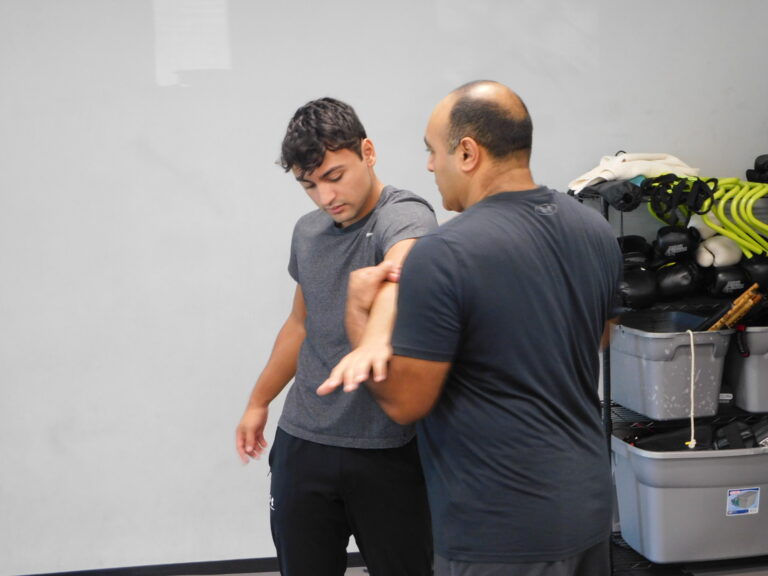
She kept a balanced stance and her hands up—not aggressive, but absolutely prepared. Her posture alone sent a message.
That combination—clear mind, strong voice, confident posture—stopped him cold.
He restarted the elevator.
They rode in silence.
She walked out unharmed.
Her New Rule… and the Real Lesson
After that moment, she changed her travel habits: she avoids elevators alone whenever possible. It’s not ideal or fair, but safety decisions aren’t about fairness—they’re about reality.
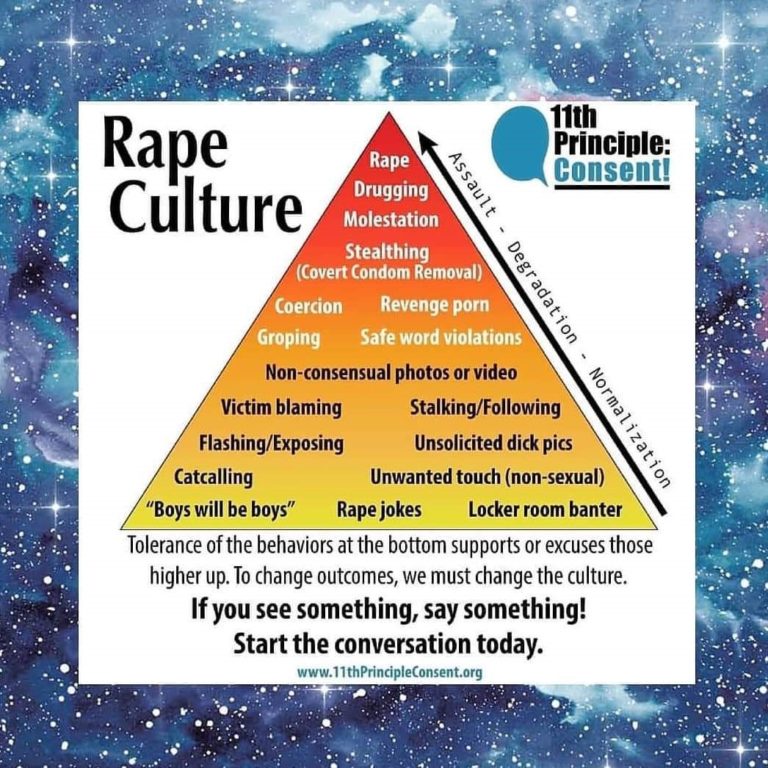
And the reality is this: situations like this happen. More often than people want to admit. The difference between becoming a victim and staying in control often comes down to mindset, preparation, and the ability to assert boundaries under stress.
What We Teach at Krav Maga Essentials
This story highlights the exact skills we build every day:
Situational and environmental awareness
Reading intention and body language
Boundary setting
Command presence
Verbal de-escalation
Consequence framing
Tactical positioning and readiness
Self-defense is not just physical technique. It’s the ability to hold your ground mentally and emotionally in moments that feel overwhelming.
She didn’t throw a single strike.
She didn’t need to.
Her confidence and clarity did the work.
If you want that kind of readiness—where you own the moment even in the worst situations—this is what we train, and this is why we train it.
Stay sharp. Stay prepared. Stay in control.