
For years, the words active shooter felt distant—something tragic that happened somewhere else, to someone else. That illusion is gone. The recent incident near Brown University was a stark reminder that no campus—no matter how historic, prestigious, or close-knit—is immune.
College campuses are open by design. That openness fuels learning, creativity, and community. It also demands preparedness. Not paranoia. Preparedness.
Active-shooter survival is not about heroics or bravado. It’s about understanding how the human mind and body behave under extreme stress—and preparing so that when conscious thought falters, effective action takes over. Survivors of these events often say the same thing afterward: “I didn’t think. I just moved.” That isn’t luck. That’s readiness.
Awareness Comes First—Always
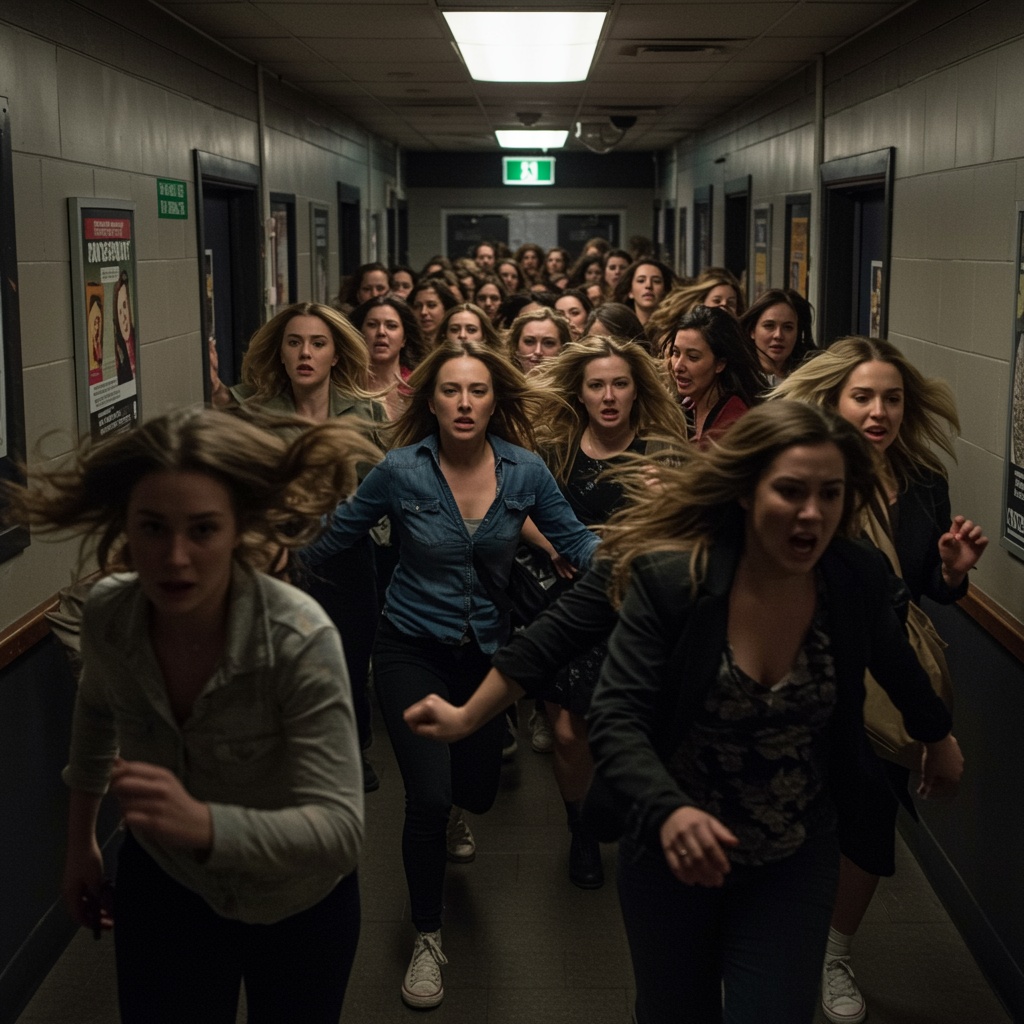
Situational awareness doesn’t disappear during a crisis—it becomes sharper. In moments like the one near Brown, danger rarely announces itself clearly. The cues are behavioral and environmental: people suddenly running toward you, alarms that don’t match the situation, doors locking, or an unnatural silence where noise should be.
The question shifts from What’s normal? to What just changed?
Those changes are signals to act—not to debate, analyze, or wait for confirmation.
Students who survive don’t freeze. They move.
Run, Hide, Fight—What It Actually Means
Law enforcement teaches the Run, Hide, Fight model. Stripped of slogans, it comes down to simple priorities.
Run means escape and distance. If you can leave safely, do so immediately. Hesitation costs time, and time costs options.
Hide means buying time. Barricade if necessary. Get behind real cover—not just concealment. Silence your phone. Control your breathing. Panic spreads faster than bullets.
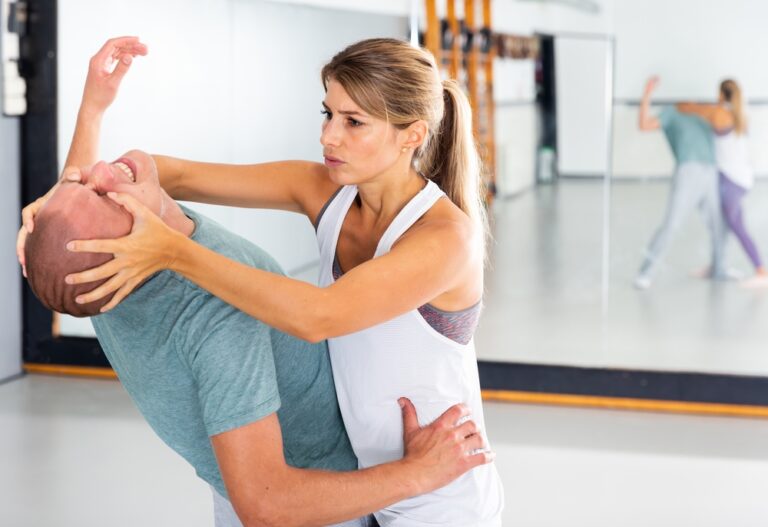
Fight is a last resort, used only when escape is impossible. This is not about domination or winning. It is about disruption—creating a brief opportunity to break contact and get away.
Escape is never cowardice. It is strategy.
Training Past the Freeze Response
Freezing isn’t a character flaw. It’s biology. Under sudden threat, the brain pauses to decide whether to flee or fight. Without preparation, that pause can last too long.
Training shortens it. Mental rehearsal, scenario exposure, and stress conditioning give the brain a blueprint to follow when thinking shuts down. Prepared minds act. Unprepared minds hesitate.
What Not to Do Matters
Don’t assume alarms are false.
Don’t open doors to unknown voices.
Don’t livestream or record—your phone’s glow gives away your position.
And don’t move toward gunfire unless you are trained, equipped, and out of options.
Bad decisions under stress don’t come from stupidity. They come from lack of preparation.
After Survival Comes Recovery
Survival doesn’t end when the threat stops. Shaking, nausea, anger, guilt, and sleep disruption are common and normal. Seek support. Lean on community. Reclaim your space.
Preparedness doesn’t eliminate fear—but it keeps fear from making decisions for you.
That’s where Krav Maga Essentials comes in. We teach students to recognize danger early, manage stress under pressure, escape when possible, and defend themselves only when necessary.
The goal isn’t to win a fight.
The goal is to go home.
Prepared beats lucky. Every time.