
If you’ve ever opened a real toolbox, you already understand a core truth about self-defense.
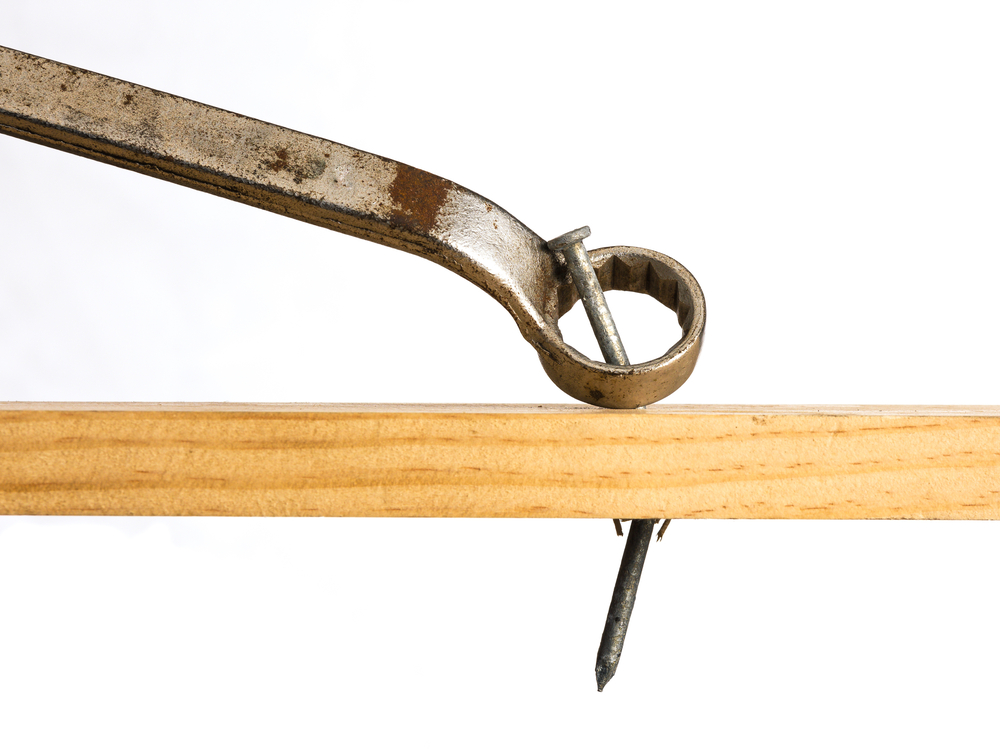
No one grabs a hammer to tighten a bolt.
No one reaches for a screwdriver to cut a piece of wood.
Each tool exists for a reason. It solves a specific problem. And the skill isn’t just owning the tool—it’s knowing when to use it.
Self-defense works the exact same way.
Every technique you learn is a tool. Strikes, defenses, clinch work, escapes, movement, verbal boundaries—they all serve a purpose. The mistake people make is falling in love with a single tool and trying to force it onto every problem they encounter.
Just because you like a maneuver doesn’t make it the right one.
In training, I’ll often see students gravitate toward a favorite strike or combination. Maybe it feels powerful. Maybe they’ve had success with it. Maybe it just feels “cool.” But real-world violence doesn’t care about your preferences. It presents a problem, and your job is to solve it efficiently, not emotionally.
If someone is grabbing your wrist, that’s a wrench problem—not a hammer problem.
If someone is tackling you, that’s not the moment for fancy strikes.
If distance exists, creating space may solve the problem better than charging forward.
Good self-defense is problem-solving under pressure.
Now here’s the other side of the toolbox analogy that matters just as much: experienced tradespeople often have favorite tools for specific jobs. Not because those tools are flashy, but because they’ve proven reliable. They fit the hand better. They work faster. They fail less.
The same is true in self-defense.
You may know three ways to escape a choke. One of them may work best for you—your size, your strength, your temperament. That’s fine. In fact, that’s smart. When multiple tools can solve the same problem, pick the one you execute best under stress.
But—and this is critical—don’t stop there.
If your favorite tool breaks, slips, or isn’t available, you’d better have another option. Real confrontations are messy. You don’t always get ideal positioning, perfect balance, or enough time to think. A robust toolkit gives you adaptability. It keeps you from freezing when Plan A fails.
Training isn’t about memorizing moves. It’s about building options.
At Krav Maga Essentials, we don’t just teach you how to use a tool. We teach you why it exists and when it applies. You learn the context behind the technique. You learn what problem it solves—and just as importantly, what problem it doesn’t.
That understanding is what separates trained people from people who just know moves.
A full toolbox doesn’t make you dangerous.
Knowing how to select the right tool at the right moment does.
Keep training. Keep refining your favorites. But never stop adding tools—because in self-defense, having options is what keeps you standing.