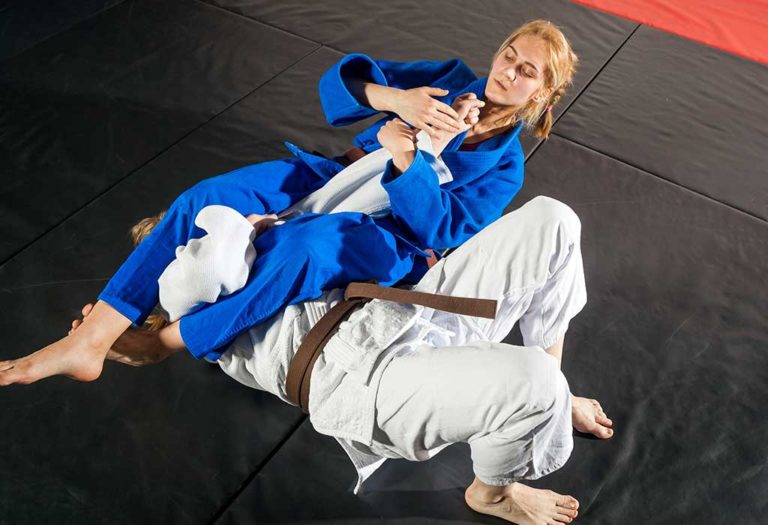

When most people think of self-defense, they picture the moment it turns violent. Fists flying. Someone crashing to the ground. A dramatic finish that looks good on camera. That image is powerful—but it’s also incomplete, and in many cases, dangerously misleading.
Real self-defense often happens before the first strike.
There is a moment—sometimes just seconds long—right before a situation turns physical. That moment is where the smartest self-defense decisions are made. And ironically, it’s where the least amount of force is often required.
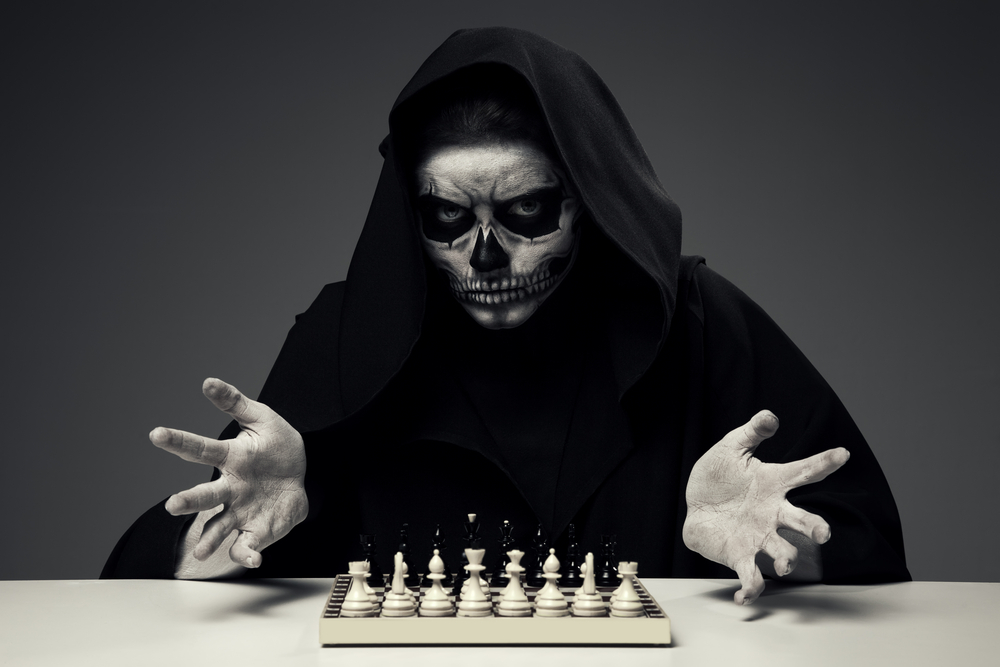
Think of self-defense like chess, not boxing.
In chess, you don’t wait until your king is in check to start thinking. You’re reading the board, setting traps, improving your position, forcing your opponent to react. You win by thinking three moves ahead—not by throwing the biggest punch.
Non-violent self-defense works the same way.
This is where “acting” comes in—not acting as in pretending nothing is wrong, but intentional behavior designed to de-escalate, distract, or reposition. It’s using social skills, body language, tone, and movement as tools. And yes, that is self-defense—even if it doesn’t look like it in the movies.
A subtle turn of the body to create an exit angle.
Hands coming up “innocently” while talking—palms visible, non-threatening, but now perfectly placed to strike or block if needed.
A calm, slightly confused response that breaks the attacker’s script long enough to step away.
A sentence that doesn’t escalate, doesn’t challenge, and doesn’t comply—but buys time.
Predators thrive on predictability. When you disrupt that, even briefly, you change the board.
This isn’t weakness. It’s strategy.
Most people imagine that if violence happens, it happens instantly. In reality, many assaults have a buildup—a testing phase where the attacker is probing for compliance, fear, isolation, or emotional reaction. That’s the moment where smart decisions can prevent physical harm altogether.
And here’s the hard truth: if you are smaller, weaker, slower, injured, outnumbered, or surprised—raw aggression is rarely your best option.
At Krav Maga Essentials, we are very clear about this:
If we are the smaller, weaker, and slower in the fight, we don’t win by being tougher—we win by being smarter.
Non-violent self-defense isn’t about being passive. It’s about controlling the encounter without triggering it. It’s about recognizing that walking away unharmed is a win, even if your ego doesn’t get a highlight reel.
Movies teach us that self-defense is about domination. Real life teaches us it’s about decision-making under pressure.
Sometimes the smartest move is a strike.
And sometimes the smartest move is a sentence, a step, a turn, or a moment of confusion that lets you leave safely.
That’s not cowardice.
That’s chess.
And the goal of self-defense has never been to “win the fight.”
The goal is to get home without one.