

I’m going to tell you something that might save your life, your grades, or at least your weekend: the smartest person in any dangerous situation is the one who’s not there when it happens.
I know what you’re thinking. “Great, another adult telling me to hide in my dorm room and never have fun.” That’s not what this is about. This is about being smart enough to party, explore, and live your college life without becoming a cautionary tale your parents share at dinner parties.—–Your Inner Bodyguard is Smarter Than Your Phone
You’ve got a sophisticated threat-detection system that’s been keeping humans alive for millions of years. Problem is, most college students have trained themselves to ignore it in favor of their phones, their friends’ opinions, or their desire not to seem “paranoid.”
That knot in your stomach when you walk into a party where something feels off? That’s not anxiety—that’s intelligence. That little voice telling you the person you just met is trying too hard to get you alone or get you drunk? That’s not paranoia—that’s pattern recognition. Your inner bodyguard doesn’t care about being polite or fitting in. They only care about keeping you alive and safe.Start listening to them.
The Three-Second Rule for Sketchy Situations
Here’s a simple test I teach: when you walk into any new situation—party, bar, date, whatever—give yourself three seconds to scan and assess.
Ask yourself:
- Do I know where the exits are?
- Does this feel normal for this type of place?
- Are there people here who could help if needed?
- What’s my gut telling me right now?
If something feels wrong in those first three seconds, trust it. You don’t need a detailed analysis or a committee meeting with your friends. You just need to listen to that ancient wisdom that’s kept your ancestors alive long enough to create you.—–The Art of the Strategic Exit
College social pressure is real. Nobody wants to be the person who “ruins the fun” by suggesting everyone leave the sketchy house party. But here’s what I’ve learned from thirty-five years of teaching people to stay safe: the coolest person at any party is the one who goes home with all their organs intact and no new criminal charges.
Master the art of leaving before things get weird:
- The Irish Goodbye: Just leave. Don’t announce it, don’t make a production of it. Check your phone, grab your coat, and walk out. Your real friends will understand.
- The Designated Driver Lie: Even if you’re not driving, ‘I’m the DD tonight’ is an instant excuse for staying sober and leaving early.
- The Early Class: ‘I’ve got an 8 AM tomorrow’ works every time, even on weekends.
- The Bathroom Escape: Go to the bathroom, text a friend to call you with a “family emergency,” then leave through whatever exit gets you out fastest.
Your Social Media is a Criminal’s Research Tool
That Instagram story showing exactly where you are, when you’re there, and how drunk you are? That’s not social media—that’s criminal intelligence. You’re literally broadcasting when and where you’ll be vulnerable.
Smart posting rules:
- Post location stuff after you leave, not while you’re there.
- Keep your location services turned off for social apps.
- Don’t post anything that shows expensive stuff, empty dorms, or travel plans.
- Remember that anyone can see your ‘friends only’ posts if one of your friends screenshots it.
The Politeness Trap Will Get You Hurt
College students, especially women, get trapped by politeness more than any other group. You’ve been socialized to be accommodating, to give people the benefit of the doubt, to avoid “making a scene.”
Here’s the truth: your safety is more important than someone else’s feelings. Period. If someone makes you uncomfortable, you don’t owe them politeness. You don’t owe them an explanation. You don’t owe them a chance to convince you they’re actually a good person.
“You’re being rude” is not an argument. “You’re overreacting” is not a valid criticism. “You’re being paranoid” is not an insult—it’s a compliment to your survival instincts. Prioritize your safety and well-being above external pressures to be “nice.”—–The Two-Drink Maximum (And Why It’s Actually One)
I don’t care how much you drank in high school or how well you “handle your alcohol.” In unfamiliar environments with people you don’t completely trust, your maximum should be two drinks over an entire evening. And honestly, one is smarter.
Why? Because predators count drinks. They watch who’s getting sloppy, who’s losing their judgment, who’s becoming an easy target. The person who stays sharp while everyone else gets stupid has a massive advantage.
This isn’t about being a buzzkill. This is about being the person who remembers what happened, who can help their friends, who makes good decisions, and who doesn’t wake up wondering what they did or what someone did to them.—–Your Dorm Room is Not a Fortress
Just because you’re on campus doesn’t mean you’re safe. Your dorm room security is only as good as your worst habits:
- Don’t prop doors open, even “just for a minute.
- Don’t let strangers follow you into buildings.
- Don’t give out your room number to people you just met.
- Actually lock your door, even when you’re just going down the hall.
- Don’t leave expensive stuff visible through windows.
The person most likely to hurt you isn’t the stranger lurking in the shadows—it’s someone you know, someone with access to your space, someone you trusted.—–The Walk Home Algorithm
Every college student needs a strategy for getting home safely, whether from the library at midnight or a party at 2 AM:
- Plan your route during daylight: Know which paths are well-lit and have emergency phones.
- Travel in groups when possible: But don’t wait for unreliable friends if you need to leave.
- Stay in populated areas: Even if it’s a longer route.
- Keep your phone charged and accessible: But don’t get so distracted by it that you lose awareness.
Trust your gut about shortcuts: That dark alley might save time, but it’s not worth the risk.
Build These Principles
These principles—awareness, avoidance, and trusting your instincts—aren’t just college survival tips. They’re life skills that will serve you in every situation you’ll ever face, from job interviews to dating to raising your own kids someday.
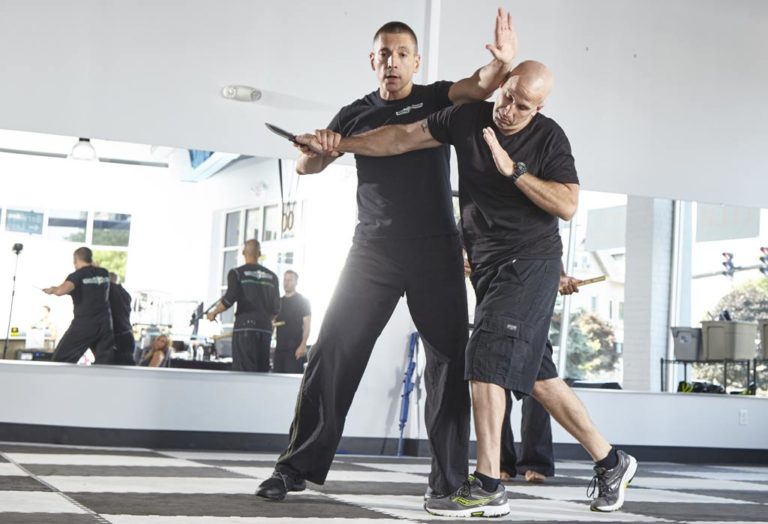
That’s exactly why I created Krav Maga Essentials. This isn’t your typical martial arts class focused on fancy techniques and belt rankings. Krav Maga Essentials was specifically designed to instill these very principles in students—the mental game comes first, avoidance is always preferred over confrontation, and when physical skills are necessary, they’re simple, effective, and reality-based.
In our classes, we don’t just practice punches and kicks. We practice situational awareness drills. We roleplay verbal de-escalation scenarios. We teach students to trust their gut feelings and act on them decisively. We train people to think like someone who’s genuinely hard to hurt—not because they’re looking for trouble, but because they’re smart enough to avoid it.—–The Bottom Line
College is about growth, exploration, and new experiences. But the best college stories are the ones where everyone goes home safe. You can’t learn from experiences you don’t survive.
The art of not being there isn’t about avoiding life—it’s about being smart enough to enjoy life without paying prices you can’t afford. It’s about developing the kind of awareness and judgment that will serve you long after graduation.
Your parents want you to be safe. Your professors want you to learn. Your friends want you to have fun. But the most important person in your safety equation is you. Trust your instincts, make smart choices, and remember: the person who avoids trouble isn’t missing out on life—they’re ensuring they’ll be around to enjoy all of it.
Stay safe, stay smart, and remember: the best self-defense technique is the one you never have to use because you saw trouble coming and got out of the way.—–How does this look? Is there anything else you’d like to refine or any further guidance you need?