
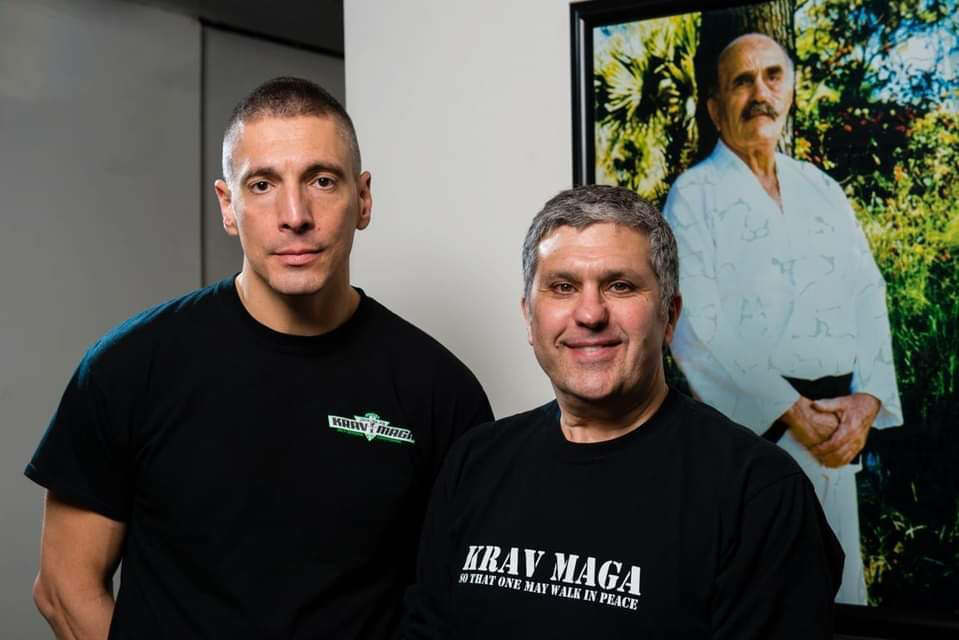
I had a dear friend and mentor who was also a practitioner of Krav Maga. We trained together for years. Like many training partners who spend countless hours on the mats, our relationship went far beyond drills and techniques. We talked about life, love, struggles, and purpose. Training has a way of forging brotherhoods that few other experiences can create.
Then one day everything changed.
My friend was diagnosed—suddenly and without warning—with stage four cancer. The doctors told him he had about 90 days to get his affairs in order.
Ninety days.
The shock of that kind of news is difficult to describe. What made it even more surreal was that he hadn’t been feeling sick. The cancer was discovered during a routine exam. One moment life was normal, and the next he was facing what sounded like a death sentence.
He was deeply loved by everyone who knew him. Students, friends, family—everyone felt the weight of that diagnosis.
But something interesting happened.
Ninety days came and went. And he didn’t die.
In fact, he kept living his life.
He continued his treatments. He spent time with family. And perhaps most surprising of all, he continued training.
Every once in a while I would call him to check in. I would ask how he was doing with the treatments, the doctor visits, the endless appointments that come with fighting something like cancer.
His answer was always the same.
“I’m using Krav to fight this.”
If you understand Krav Maga, that sentence carries a lot of meaning.
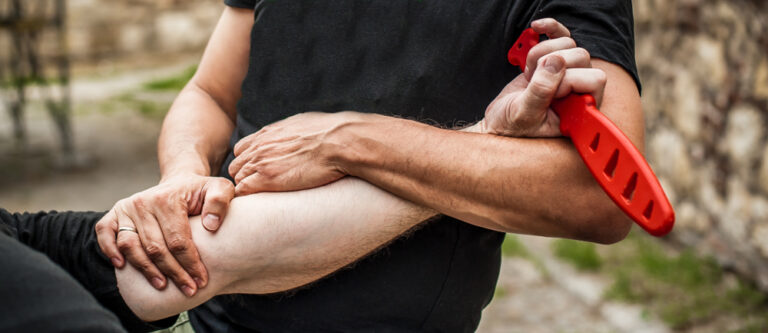
One of the core principles of Krav Maga is attacking the attacker. When someone tries to harm you, you don’t freeze, retreat, or surrender to the assault. You counterattack. Immediately. Aggressively. With everything you have.
Even if what you have isn’t much.
Even if your defense isn’t perfect.
Even if you’re scared.
In Krav Maga we don’t wait passively while the attacker continues their assault. We fight back.
My friend took that exact mindset and applied it to cancer.
He didn’t view himself as a victim waiting for the inevitable. He viewed cancer as an attacker.
And attackers get fought.
The 90-day timeline came and went. Then another 90 days. Then another.
My friend lived four more years.
Those years were not easy. Cancer never fights fair. There were treatments, setbacks, and hard days. But there was also laughter, connection, training, and moments of genuine joy. He continued to live his life as fully as he could.
Eventually, the disease did what diseases sometimes do.
But not before my friend delivered the most powerful lesson about Krav Maga that I have ever witnessed.
The fight is never over as long as your mind and spirit remain in the battle.
The techniques we teach in Krav Maga are important. The strikes, the defenses, the escapes—all of them matter. But they are useless without the mindset behind them.
Technique without mindset fails under pressure.
Mindset carries you through.
Krav Maga is often described as a self-defense system, and technically that’s true. But at its core it’s much more than that. It’s a mental and emotional framework for confronting adversity.
We don’t quit because we’re tired.
We don’t quit because we’re scared.
We don’t quit because things look impossible.
We quit when the fight is truly over.
My brother showed me that lesson more clearly than anyone ever could.
Thank you, my friend.
Your fight became my greatest teaching.