
I’ve been to Vegas. I’ve watched people play.
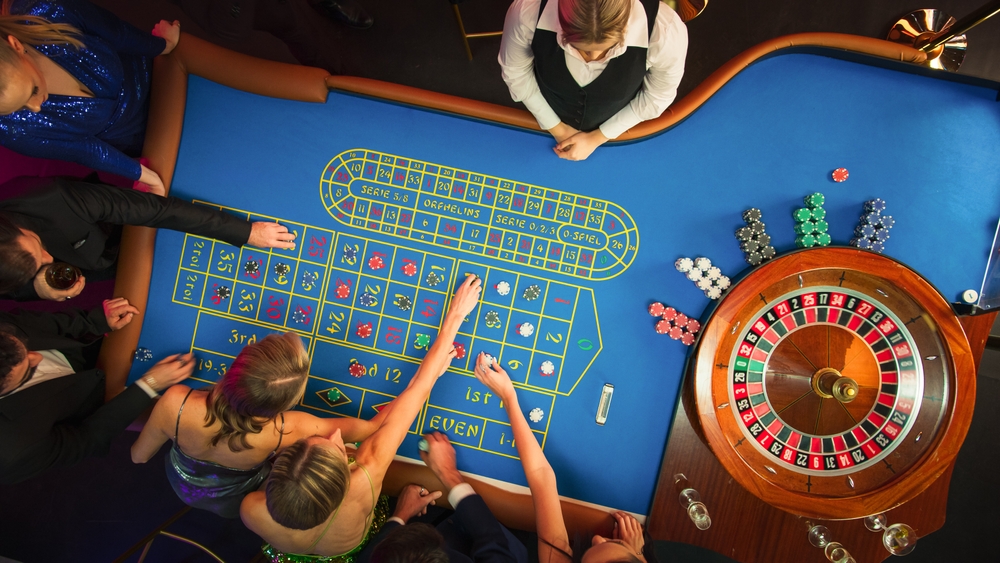
There’s a guy at the roulette table putting everything on one number. Thirty-five to one. He’s dreaming about the payout. He isn’t thinking about the thirty-seven other pockets that ball can land in.
Two tables over, there’s a quiet guy playing blackjack. Basic strategy. Hit, stand, double, split — by the book, every hand, no drama. He’s not going to tell a great story at brunch tomorrow. He’s also going to walk out with most of his money.
I train people to be that second guy.
The odds are the whole thing
Every casino game has a house edge. Pass line at craps is about 1.4%. Blackjack played correctly is around half a percent. Roulette is over 5%. Some slot machines are pulling 10% or more out of your pocket, and they’re the ones with the lights and the noise and the little chair that vibrates.
The flashiest bet on the floor is almost always the worst one.
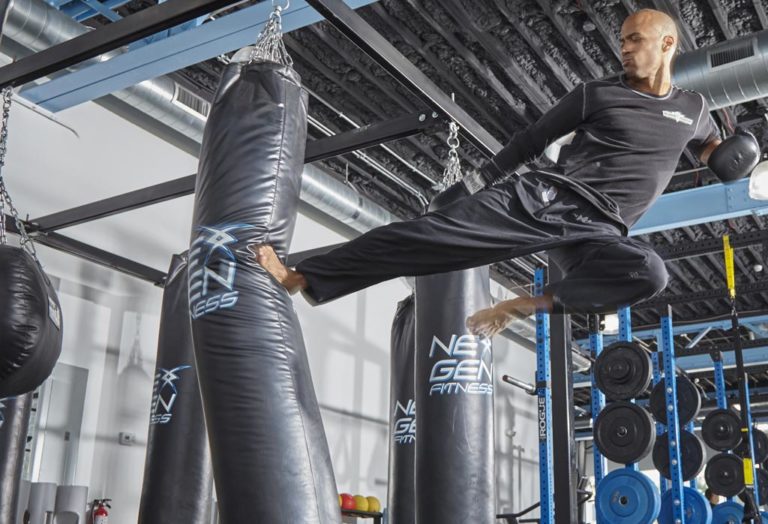
Self-defense works the same way. Every technique carries an edge — for you or against you. And the flashy stuff, the spinning stuff, the stuff that makes the demo video look great, is the roulette bet. Big payout when it lands. It doesn’t land.
Except here you’re not betting the vacation money. You’re betting whether you go home.
What a good bet looks like
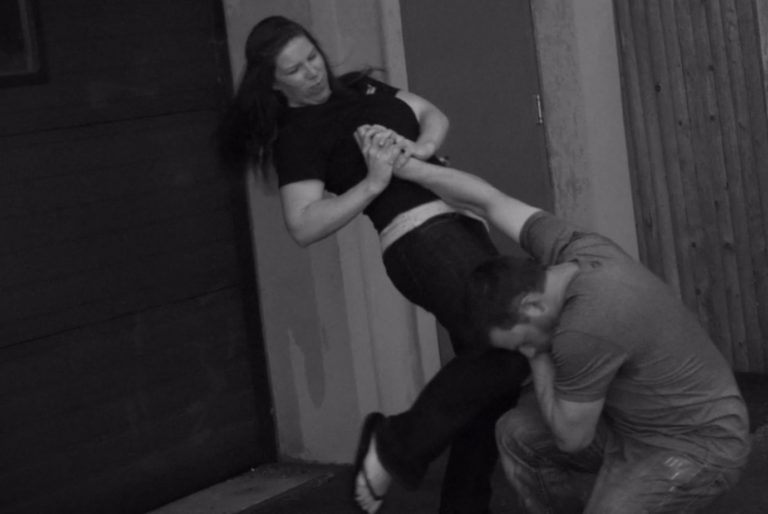
When I choose a technique — for myself, for a student, for a 62-year-old woman who came to class because something happened in a parking garage — I’m running the same three questions every time.
**Is the target high-percentage?** Eyes. Throat. Groin. Knees. These targets don’t care how big he is. They don’t care how strong he is. They don’t have a good day and a bad day. A liver shot is a beautiful thing, but you need to land it clean on a moving human being. A thumb in an eye socket works on the first try, on anybody, from almost anywhere.
**Does it require fine motor skill?** Because you won’t have any. Once your heart rate goes past about 115 beats a minute under real stress, fine motor control starts falling apart. Past 145, complex motor skills go with it. The joint lock you drilled a thousand times in a calm room with a cooperative partner is a bet on a version of you that will not be there. What survives is gross motor: push, pull, drive, strike, run. Build your game out of those.
**How long does it keep me there?** Every extra second in the fight is another roll of the dice. He might have friends. He might have a knife you haven’t seen yet. The floor might be wet. The longer you sit at the table, the more the house edge grinds you down. That’s not pessimism. That’s arithmetic.
The most conservative Krav Maga instructor in the world
That’s my joke about myself, and it’s only half a joke.
I risk the least. I do the most damage. I take the smallest chance of getting hurt myself. And I stay engaged for the shortest amount of time I possibly can.
That’s it. That’s the whole philosophy. There’s no move in my curriculum that exists because it looks cool. If a technique doesn’t earn its spot on the odds, it doesn’t get taught. I’ve thrown out things I was personally good at, because I couldn’t teach them to a tired person on a bad day and trust the outcome.
Imi Lichtenfeld said the goal was to be so good you don’t have to hurt them. I’d add a line to it. Be so *efficient* you don’t have to stay.
The best bet in the building
Here’s the thing every gambler eventually learns and most of them learn too late.
The only guaranteed winning move in a casino is not playing.
Cross the street. Leave the bar. Get back in the car. Give him the wallet. Notice the guy in the parking lot forty feet out instead of four feet out. None of that is fear. That’s reading the board and declining a bad bet, which is the single most sophisticated thing a person can do in a casino or on a sidewalk.
But sometimes you’re already at the table. Sometimes the choice was made for you. That’s why we train — so that when you have to play, you’re playing basic strategy and not throwing chips on a hunch.
Take the highest-percentage target. Use the move that survives adrenaline. Do damage. Leave.
Boring wins.
And in this game, boring means you go home.